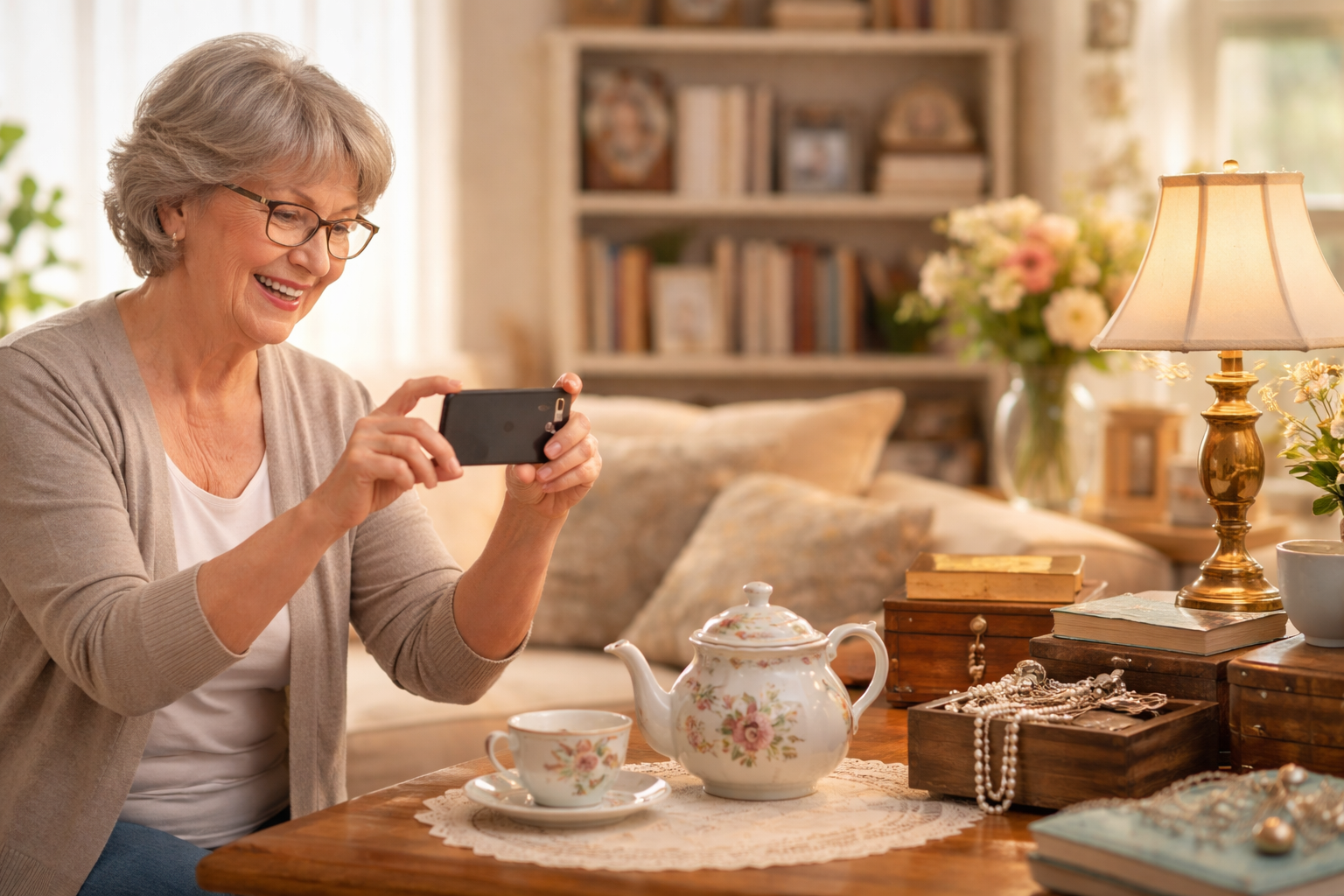
What Are Personal Effects in a Will?

If you have read a will before, you have probably seen the phrase "personal effects." It is a common legal term, but many people are unsure what it actually includes.
Understanding what personal effects mean is important because vague wording can lead to confusion, disagreement, and unintended outcomes when dividing personal belongings.
What does "personal effects" mean?
In most cases, personal effects refer to physical items that belong to a person and are used for personal purposes. These are typically items you can touch and move, rather than financial assets.
Personal effects usually fall under a broader legal category known as "tangible personal property."
Common examples of personal effects
- Jewellery and watches
- Clothing and accessories
- Furniture
- Artwork and collectibles
- Tools and hobby equipment
- Photo albums and keepsakes
- Electronics
What counts can vary depending on how the will is written and local laws, so legal advice is always recommended for clarity.
What personal effects usually do NOT include
Personal effects generally do not include:
- Bank accounts
- Investments or shares
- Real estate
- Business ownership interests
Those assets are usually handled separately in a will.
Why the term can cause problems
Many wills contain broad wording such as "I leave my personal effects to my children equally."
On the surface, this sounds simple. In reality, it can create tension. Personal effects cannot always be split equally. There is only one ring, one watch, one dining table.
Without detailed instructions, family members may need to negotiate who receives what. Negotiation under grief can quickly turn emotional.
How to avoid confusion
The simplest way to avoid ambiguity is to go beyond general categories.
Instead of relying solely on the phrase "personal effects," consider documenting specific items and naming who should receive them.
Clarity removes guesswork and reduces pressure on your executor.
Where Who Gets What helps
Who Gets What is designed to make personal belongings clear and organised.
- Photograph and record important items
- Assign each item to a specific person
- Add context notes if helpful
- Export a structured record
Whether your will uses the term personal effects, tangible personal property, or another phrase, clarity about individual items can prevent family conflict.