How to List Personal Belongings for Your Will

When people think about writing a Will, they usually focus on big assets like property, money, and investments.
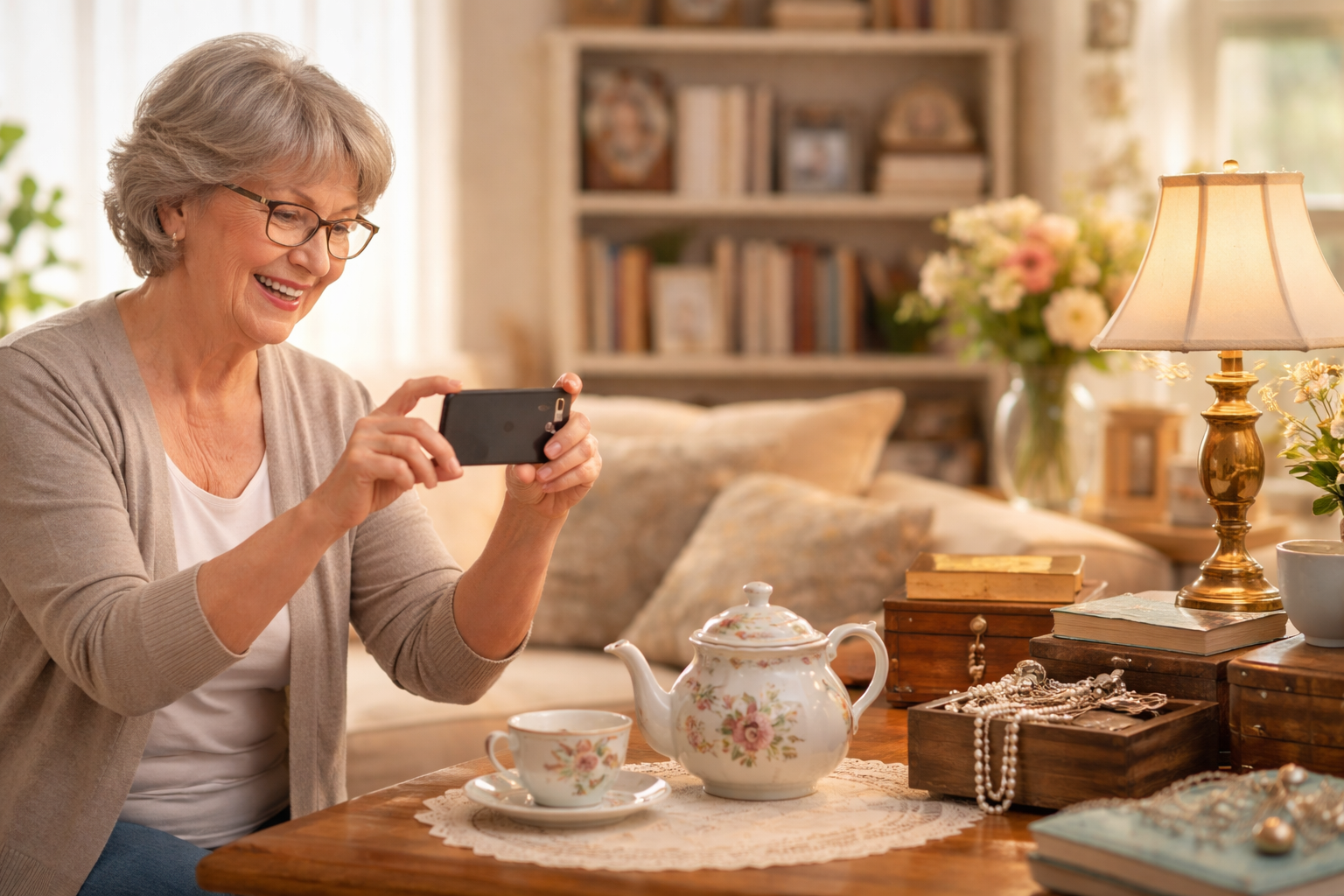
But in reality, it is often the personal belongings (sometimes called personal effects) that cause the most confusion and family tension later on. Items like jewellery, watches, photos, tools, and family heirlooms may not always have high financial value, but they often carry deep emotional meaning.
This guide explains a simple way to list your personal belongings so your wishes are clear and easy for your family to follow.
Note: This article is general information only and not legal advice. Requirements and estate laws can vary depending on your country or state, so you should check what applies in your area and speak with a qualified professional.
The terms 'personal belongings,' 'personal effects,' and 'personal chattels' are often used interchangeably in everyday language. Their precise legal meaning can vary between countries and states.Why Listing Personal Belongings Matters
Personal items are often overlooked in traditional estate planning. Without clear guidance, families are left to decide among themselves, which can sometimes lead to disagreements, even over small items.
Creating a clear list helps:
- Reduce confusion later
- Make your intentions easier to understand
- Avoid unnecessary family conflict
- Ensure sentimental items go where you want them to go
Step 1: Make a List of Your Effects / Belongings
Start by writing down items that matter to you or your family.
You do not need to list everything you own. Focus on items such as:
- Jewellery and watches
- Family heirlooms
- Photos and albums
- Collectibles
- Tools, equipment, or hobby items
- Furniture with sentimental value
At this stage, keep it simple. You can refine it later.
Many people find it easier to do this in our Who Gets What app, where items can be added and updated gradually over time instead of all at once.
Step 2: Decide Who Should Receive Each Item
Next, think about who you would like each item to go to.
There is no strict rule for this. It often comes down to:
- Emotional connection to the item
- Shared memories or experiences
- Who would value it most
- Balancing fairness across family members
It does not need to be perfectly equal. The goal is clarity and intention, not mathematical fairness.
Using Who Gets What can help you visually assign items to people, which makes this step easier and more organised.
Step 3: Add Notes or Stories (Optional but Valuable)
This step is optional, but it can make a big difference for your family.
Adding a short note can explain:
- Why you chose a particular person
- The history behind an item
- What the item meant to you
For example:
"This was my father's pocket watch. I would like it to go to Sam because he was always close with William. The pocket watch was carried around by William all over the world in his travels."
These small details can turn a simple list into something meaningful and personal. In Who Gets What, this is often where people add stories alongside their items so future generations understand the context.
Step 4: Keep Your List Separate from Your Will
Many people choose to keep a separate list of personal belongings rather than placing every item directly into a Will.
Depending on where you live, there may be different ways this can be recognised, so it is important to understand the rules in your country or state and to speak to a professional.
This approach is often used because:
- Personal items change over time
- It is easier to update a list than a formal Will
- It keeps legal documents focused on major assets
Who Gets What is designed specifically for this purpose, helping you maintain a separate, organised record of personal belongings distribution wishes. The documents that Who Gets What generates are not legally binding alone, and are a record of wishes around your belongings. Speak to a legal professional about Who Gets What and how it can be used in your estate plan.
Step 5: Review and Update Over Time
Your personal effects and relationships will change over time, so your list should too.
It is a good idea to review it:
- Once a year
- After major life changes
- When you buy or inherit meaningful items
Keeping it updated ensures your intentions stay accurate.
Step 6: Make Sure Someone Knows It Exists
A list is only useful if it can actually be found when needed.
Make sure:
- A trusted person knows about it
- Your Wills & Estate Lawyer knows about it
Final Thoughts
Your Will often takes care of the "big stuff" like your estate, but the "small stuff" is often where the emotional weight sits.
Taking time to clearly list and assign these items can:
- Reduce stress for your family
- Prevent disagreements
- Ensure your personal wishes are understood
It does not need to be complicated. Even a simple, structured list is a strong step toward making things easier for the people you care about.
Many people now use Who Gets What to keep this process organised, so personal items are not left to chance or confusion later on.