How to Divide Sentimental Items Fairly Between Siblings
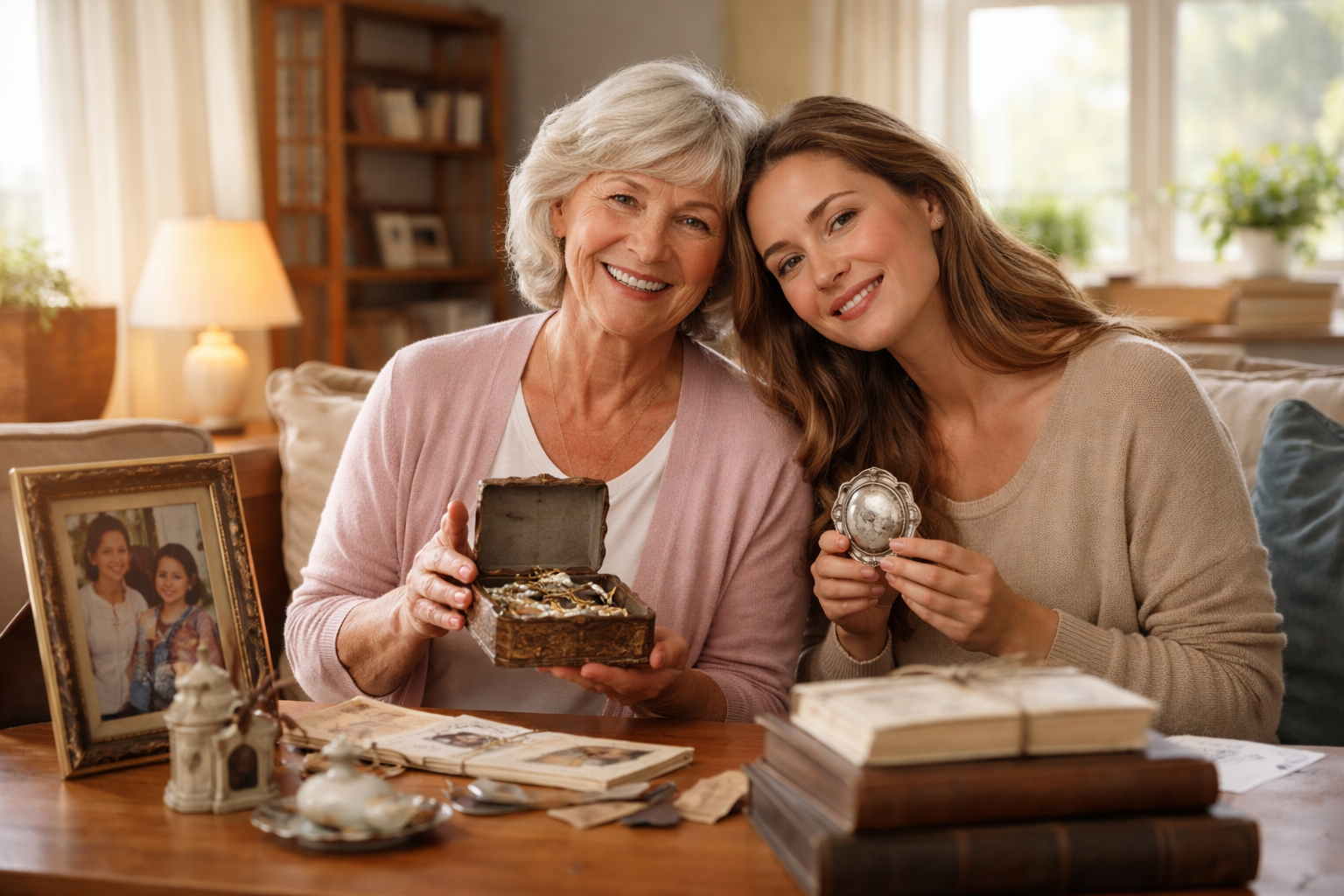
Dividing sentimental items is often the hardest part of inheritance. Money can be split. Personal belongings cannot. There is one wedding ring, one toolbox, one dining table, one photo album.
If you want to keep the peace in your family, the goal is not perfect equality. The goal is clarity and a process that feels fair.
Why sentimental items cause conflict
Sentimental items are rarely about the object itself. They represent memories, identity, and belonging. Two siblings can want the same item for completely different reasons, and both reasons can be valid.
Conflict usually comes from one of three things: unclear wishes, last minute decision making, or a process that feels unfair.
Start with the items that actually matter
You do not need to list every household item. Focus on the belongings that have emotional or financial weight, or items that could realistically trigger disagreement.
- Jewellery and heirlooms
- Tools, equipment, and hobby gear
- Collectibles, antiques, or artwork
- Furniture with family history
- Photo albums and keepsakes
- Items connected to major life events
Four fair ways to divide sentimental items
There is no single "right" method. The best approach depends on your family dynamics. Below are four methods that commonly work because they reduce argument and make the process feel transparent.
1. Direct assignment
This is the simplest and most effective option. You decide who receives specific items and you write it down.
Direct assignment removes negotiation and removes pressure from the executor. If there is potential sensitivity, add a short note explaining your choice.
2. Round robin selection
Family members take turns choosing items, usually in a predetermined order. This works best when relationships are stable and communication is respectful.
To keep it fair, rotate the first pick each round, or draw lots for the first round and then rotate.
3. Priority lists with conflict resolution rules
Each person lists the items they care about most. If there is overlap, you use a rule to resolve it - for example:
- If one person listed it as their top choice and the other did not, it goes to the top choice.
- If both listed it highly, the executor follows written context notes, or the item goes into a separate "decision" group.
- If still unresolved, a neutral third party makes the call.
This method works well because it focuses attention on what matters most instead of turning everything into a competition.
4. Convert some items into shared access
Not everything needs to be a winner and loser. Some items can be treated as shared family property, such as:
- Photo albums that can be scanned and shared
- Family recipes that can be duplicated
- Stories, letters, and documents that can be digitised
Digitising sentimental material reduces conflict because multiple people can keep the memory without fighting over the object.
How to make any method work better
1. Put it in writing early
The earlier your wishes are documented, the less reactive and emotional the process becomes. Decisions made under grief are almost always worse.
2. Add context notes for sensitive items
A single sentence can prevent years of resentment. For example: "This goes to Sarah because she cared for Mum the most in the last year" or "This goes to Ben because Dad taught him woodworking."
3. Protect the executor
Executors often get caught in the middle. Clear instructions allow them to follow your wishes instead of negotiating between siblings.
4. Keep it updated
Items get sold, gifted, or lost. Relationships change. A system that is easy to update is far more likely to stay accurate.
Where Who Gets What helps
Who Gets What is designed to help you document personal belongings clearly so your family does not have to guess.
- Record items with photos
- Assign each item to a person
- Add optional notes for context
- Export a clear record for your family