How to Divide Personal Belongings After Death - Without Family Conflict
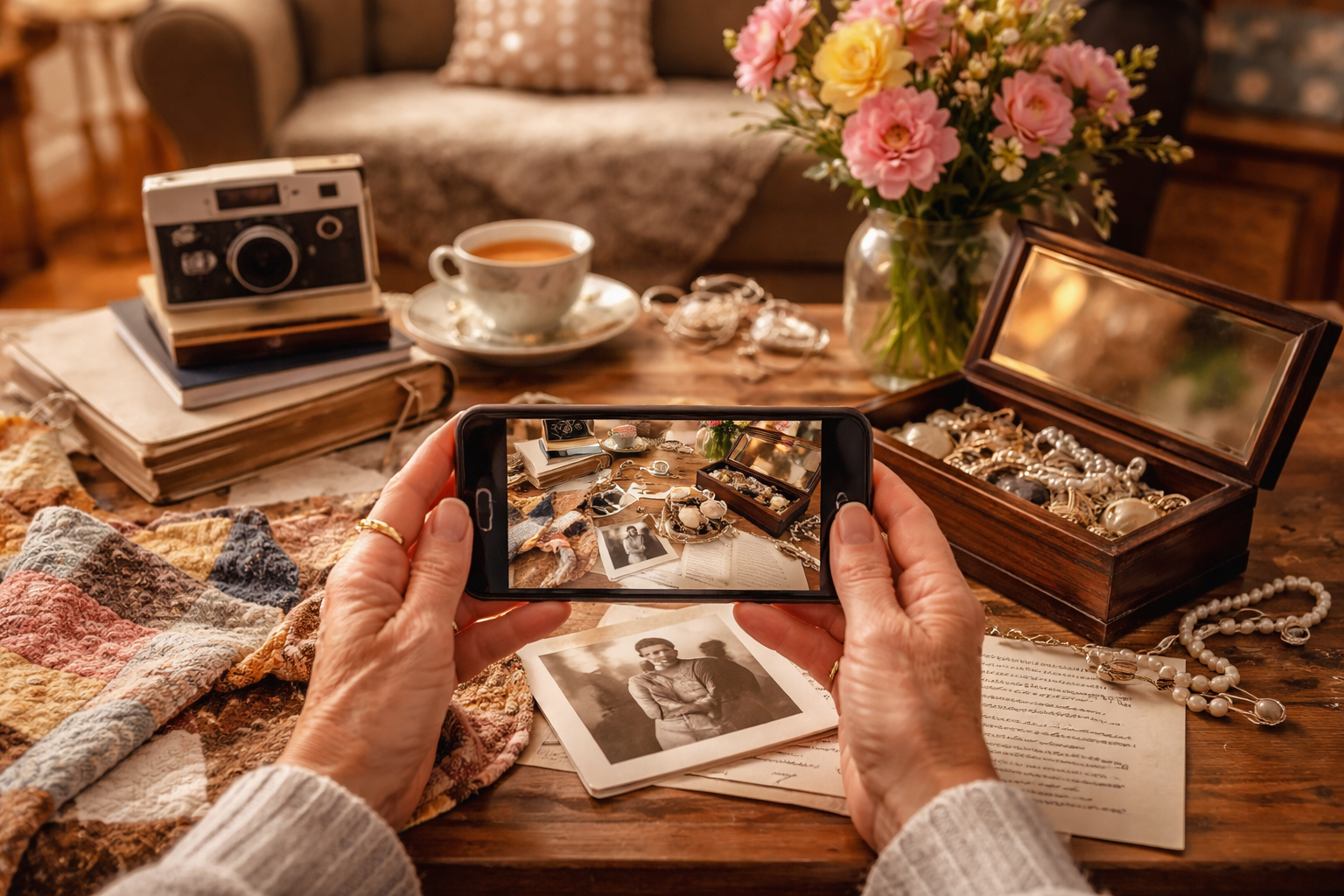
When someone dies, money is often handled clearly. It is the personal belongings that cause the most pain - jewellery, tools, furniture, photos, collections, and everyday items with emotional value.
If your goal is to reduce the chance of family conflict, you need clarity.
Why personal items trigger inheritance disputes
Personal items carry memories. Two siblings can look at the same watch or ring and feel equally entitled to it. Without written instructions, families fill the gap with assumptions.
- "Mum always said that was mine."
- "I helped more, so I should get it."
- "No one objected, so I took it."
This is how long term resentment begins.
Step 1 - Identify the items that could cause conflict
You do not need to catalogue every household object. Focus on items that hold emotional or financial value.
- Jewellery and heirlooms
- Collectibles and antiques
- Artwork
- Furniture with family history
- Tools or hobby equipment
- Photo albums and keepsakes
Step 2 - Assign each item clearly
Be specific. "My personal effects to my children" creates confusion. Item by item clarity prevents arguments.
Step 3 - Add short context where helpful
A simple note such as "This goes to Alex because we restored it together" can prevent years of misunderstanding.
Step 4 - Keep your list updated
Relationships change. Items are sold or gifted. A system that is easy to update is far more likely to remain accurate.
A simple way to document who gets what
Who Gets What is designed specifically for documenting personal belongings clearly. It complements your will - it does not replace it.
- Record items quickly
- Assign each item to a person
- Add notes or stories
- Export for clarity